📍 El Calafate, Argentina

Perito Moreno Glacier: Patagonia's Unmissable Ice Giant

Few natural spectacles on Earth match the sheer drama of towering ice cliffs calving into milky-turquoise water with a sound like cannon fire. Whether you hike across its surface or watch from the boardwalks, this Patagonian icon never fails to leave visitors speechless.

Explore the World's Most Dramatic Glacier

The Perito Moreno Glacier Full Day Tour with Optional Boat Safari is your ultimate gateway to one of South America's most spectacular ice formations. Departing from El Calafate, you'll journey into Los Glaciares National Park to walk the network of elevated walkways that wind above the glacier's edge. Expert guides explain the science behind glaciology, the slow advance of the ice, and the rare phenomenon of the ice bridge — a breathtaking natural event unique to this glacier. Upgrade to the boat safari option and cruise the steel-blue waters of Lago Argentino, watching house-sized blocks of ice calve and crash into the lake just meters away. Whether you're a first-time visitor or a returning admirer of Patagonia, this experience leaves a lasting impression.

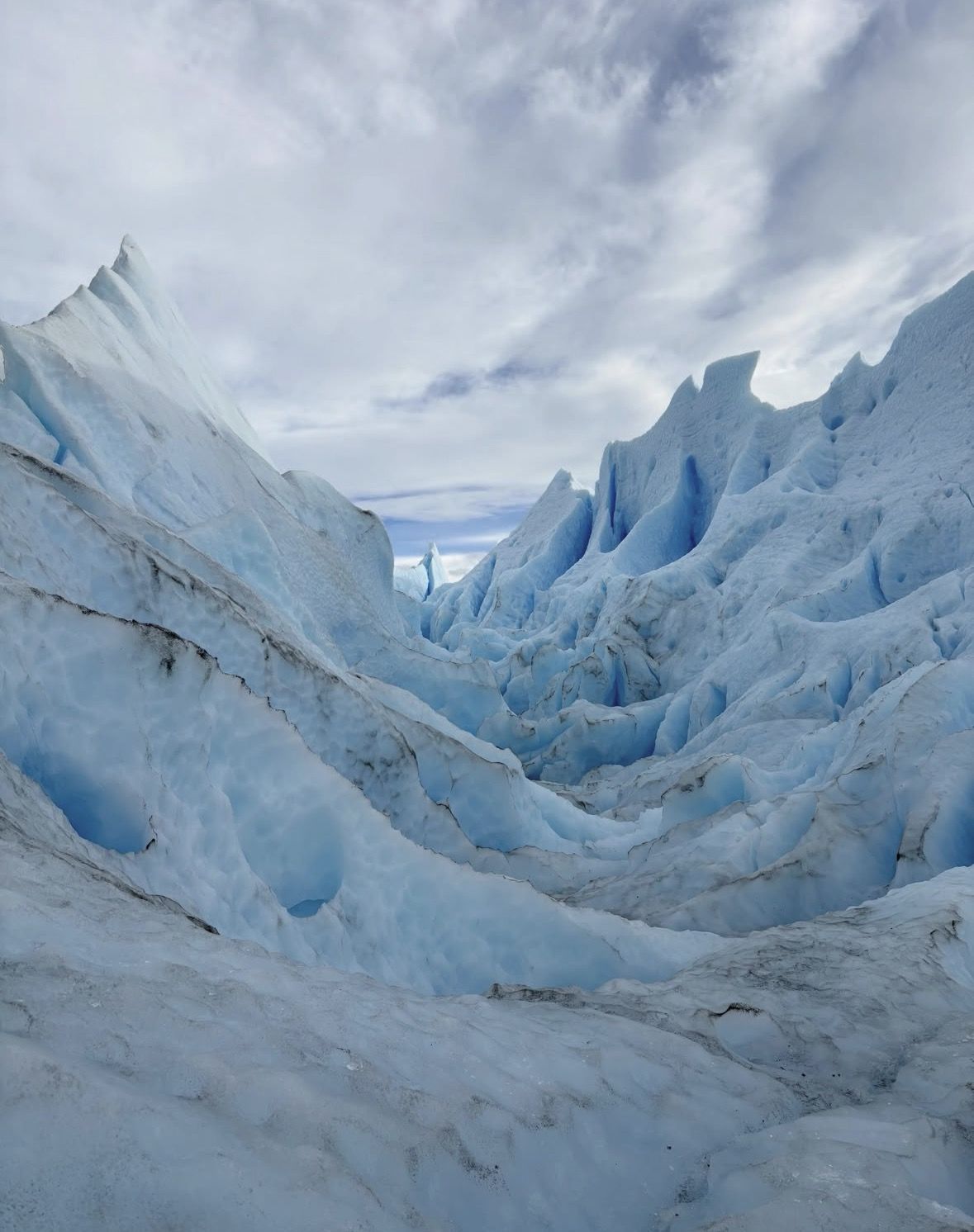
  • Marvel at spiky ice walls and deep blue crevasses from elevated boardwalks
  • Learn about glaciology and the rare ice bridge phenomenon from expert guides
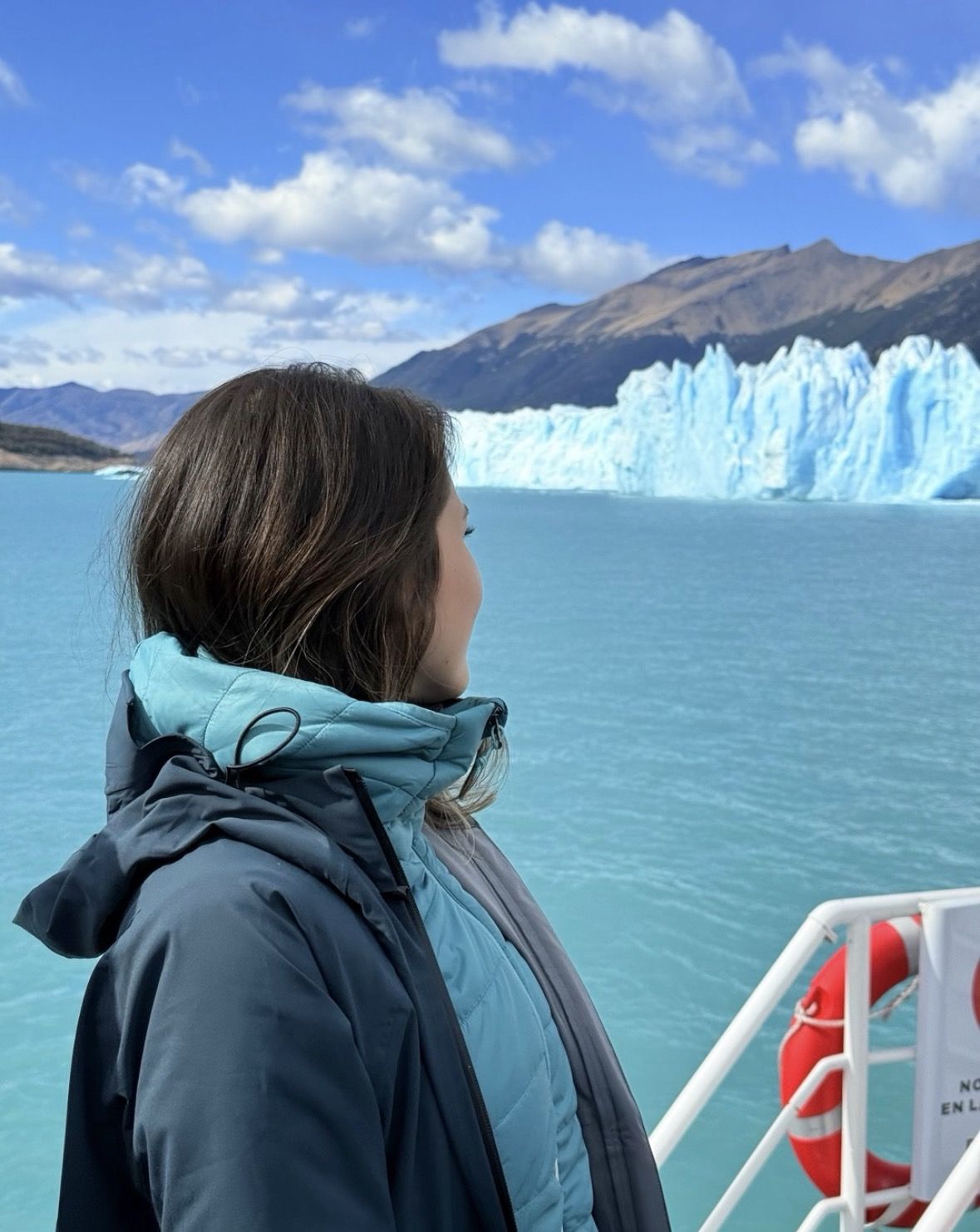
  • Optional boat safari brings you face-to-face with towering glacier walls
  • Full-day immersion inside UNESCO-listed Los Glaciares National Park
  • Convenient round-trip transfer from El Calafate included
Book Now
⭐ Top Rated Perito Moreno Glacier Full Day Tour with Optional Boat Safari

Where Is Perito Moreno Glacier & What Makes It Unique?

Tucked inside Los Glaciares National Park in Argentine Patagonia, this advancing river of ice is one of the few glaciers on the planet that is neither retreating nor shrinking. Its unusual stability, combined with breathtaking accessibility, makes it the crown jewel of South American nature travel.

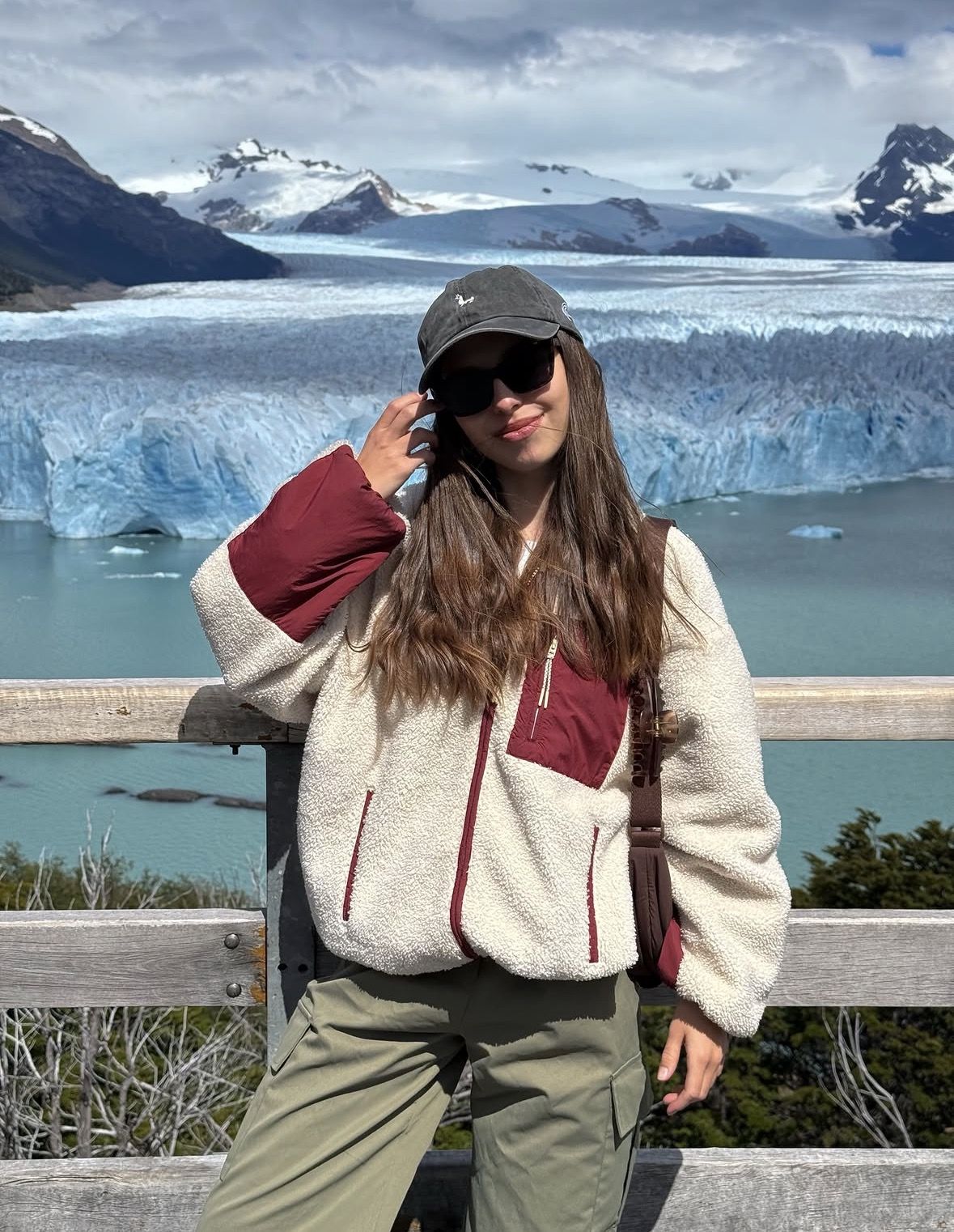
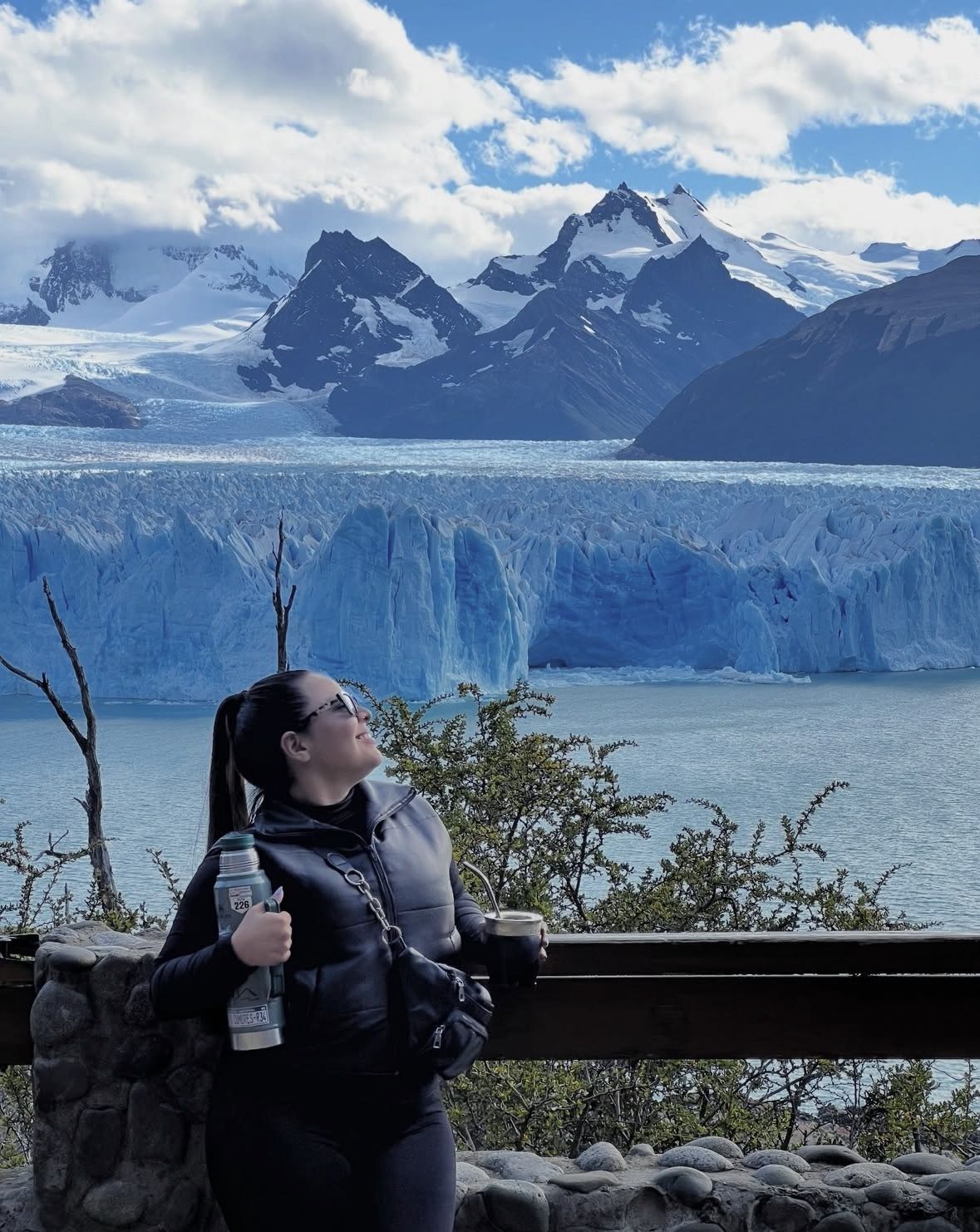
Located roughly 78 kilometres west of El Calafate in the Santa Cruz province of Argentina, the glacier sits within Los Glaciares National Park — a UNESCO World Heritage Site since 1981. It flows from the Southern Patagonian Ice Field, the world's third-largest freshwater reserve, and terminates dramatically into the Brazo Rico arm of Lago Argentino. A network of steel walkways and viewing platforms built directly opposite the ice face means visitors can get remarkably close without any technical skill or specialist equipment.

The glacier is named after Francisco Moreno, a 19th-century Argentine explorer and scientist who played a pivotal role in defining the border between Argentina and Chile. Though he explored much of Patagonia, Moreno himself never actually reached this particular glacier — his legacy, however, is forever tied to it. The ice mass was formally studied and mapped during the early 20th century, and the surrounding national park was established in 1937 before receiving its UNESCO designation decades later, cementing the region's global conservation importance.

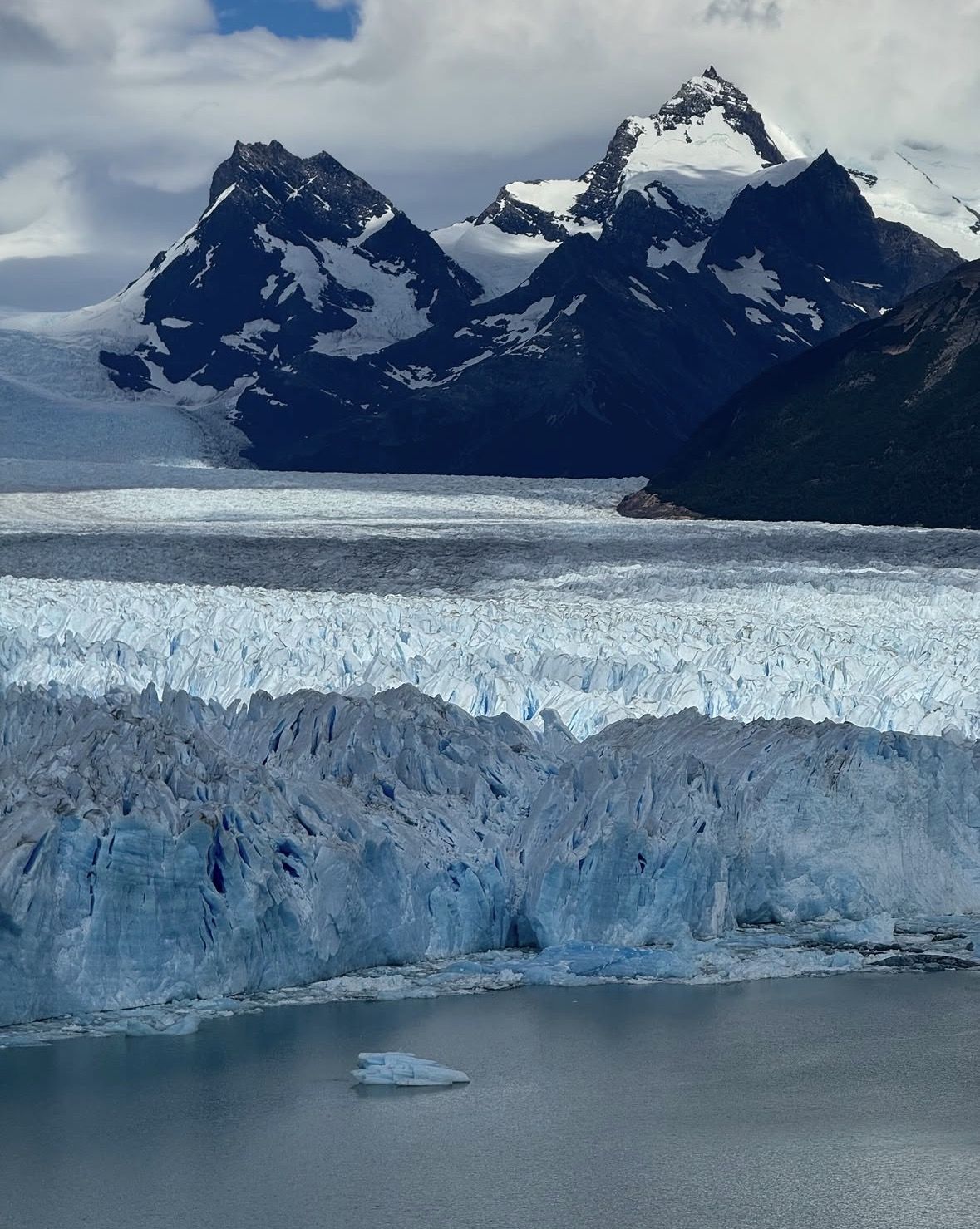
Visiting is an immersive, multi-sensory event unlike any other nature experience. Enormous chunks of ice — sometimes the size of apartment buildings — shear off the 5-kilometre-wide face with a thunderous crack that echoes across the lake, sending waves crashing outward. The ice itself shifts in colour throughout the day, from bright white in midday sun to deep cobalt blue in the afternoon light. Boardwalk trails at multiple levels offer dramatically different perspectives, rewarding those who take the time to explore every platform.

📏
Length 30 km
🧊
Ice Face Height Up to 74 m
🌊
Width at Face 5 km
🏔️
Area 250 km²
🚗
Distance from El Calafate 78 km
📅
UNESCO Designation 1981
2 m/day
The Glacier Is Advancing

Unlike the vast majority of glaciers worldwide, this one advances at a rate of roughly 2 metres per day. This forward movement is why calving events are so frequent and spectacular, thrilling visitors year-round.

🌍
3rd Largest
Fed by a Vast Ice Field

It draws its mass from the Southern Patagonian Ice Field, the planet's third-largest freshwater reserve outside the polar regions. The sheer volume of ice feeding the glacier is what keeps it in a state of dynamic equilibrium.

🔵
Blue Ice
Why the Ice Glows Blue

The deep blue colour visible in crevasses and freshly calved icebergs occurs because centuries of compression have forced out nearly all air bubbles. Dense, bubble-free ice absorbs red wavelengths and reflects blue light beautifully.

🏛️
1981
UNESCO World Heritage Status

Los Glaciares National Park, home to the glacier, was inscribed as a UNESCO World Heritage Site in 1981. The park protects one of the most important temperate ice ecosystems on Earth, covering over 726,000 hectares.

💧
Every ~10 yrs
The Famous Ice Dam Rupture

Periodically, the advancing glacier seals off the Brazo Rico arm of Lago Argentino, forming a natural ice dam. Water pressure eventually causes a dramatic rupture — an event that draws international media attention when it occurs.

🦜
100+ species
Rich Wildlife Surrounding the Ice

The national park hosts over 100 bird species, including Andean condors, flamingos, and black-necked swans. Southern river otters, guanacos, and pumas also inhabit the surrounding steppe and forest ecosystems.

🥾

Minitrekking on the Ice

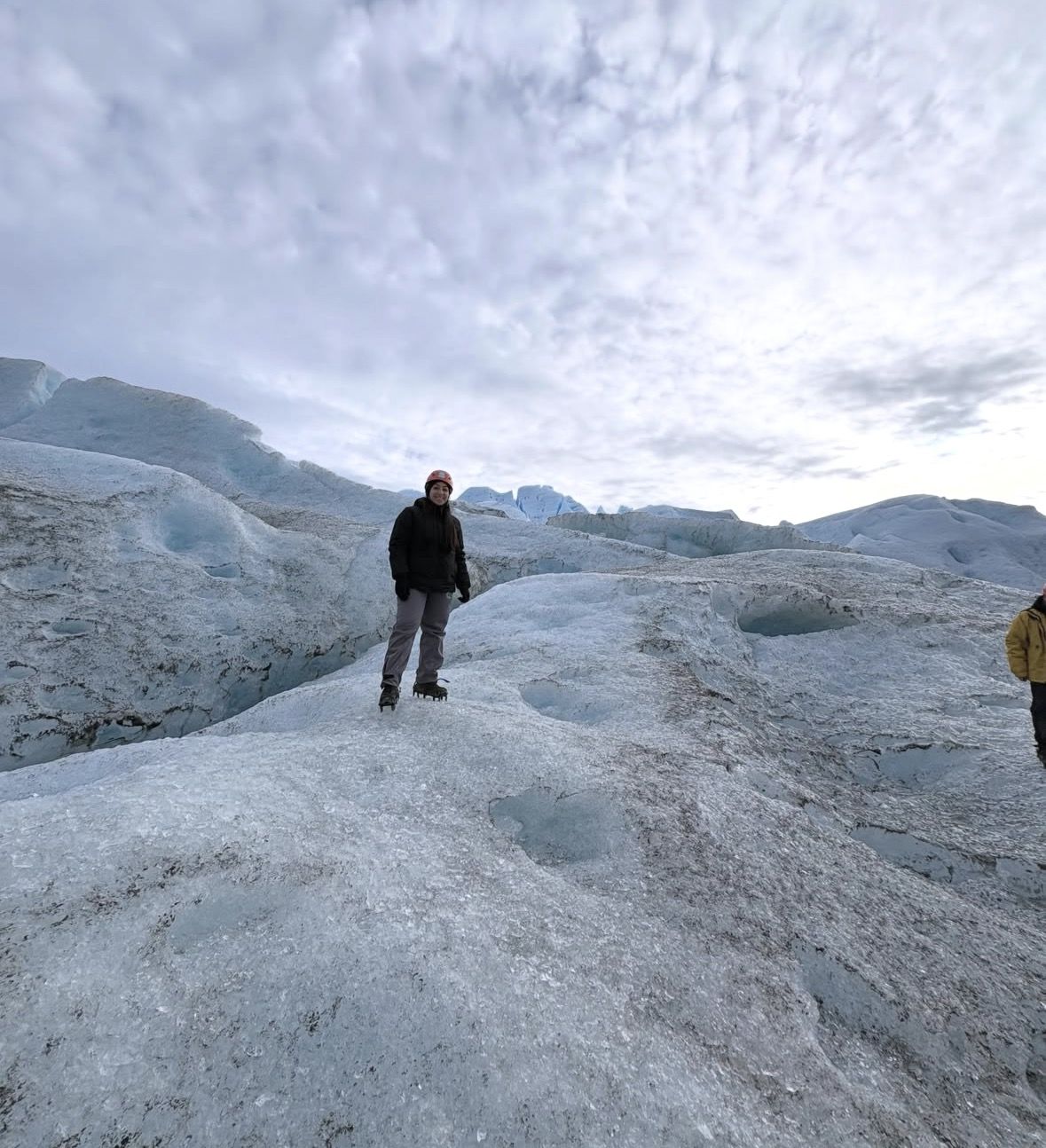
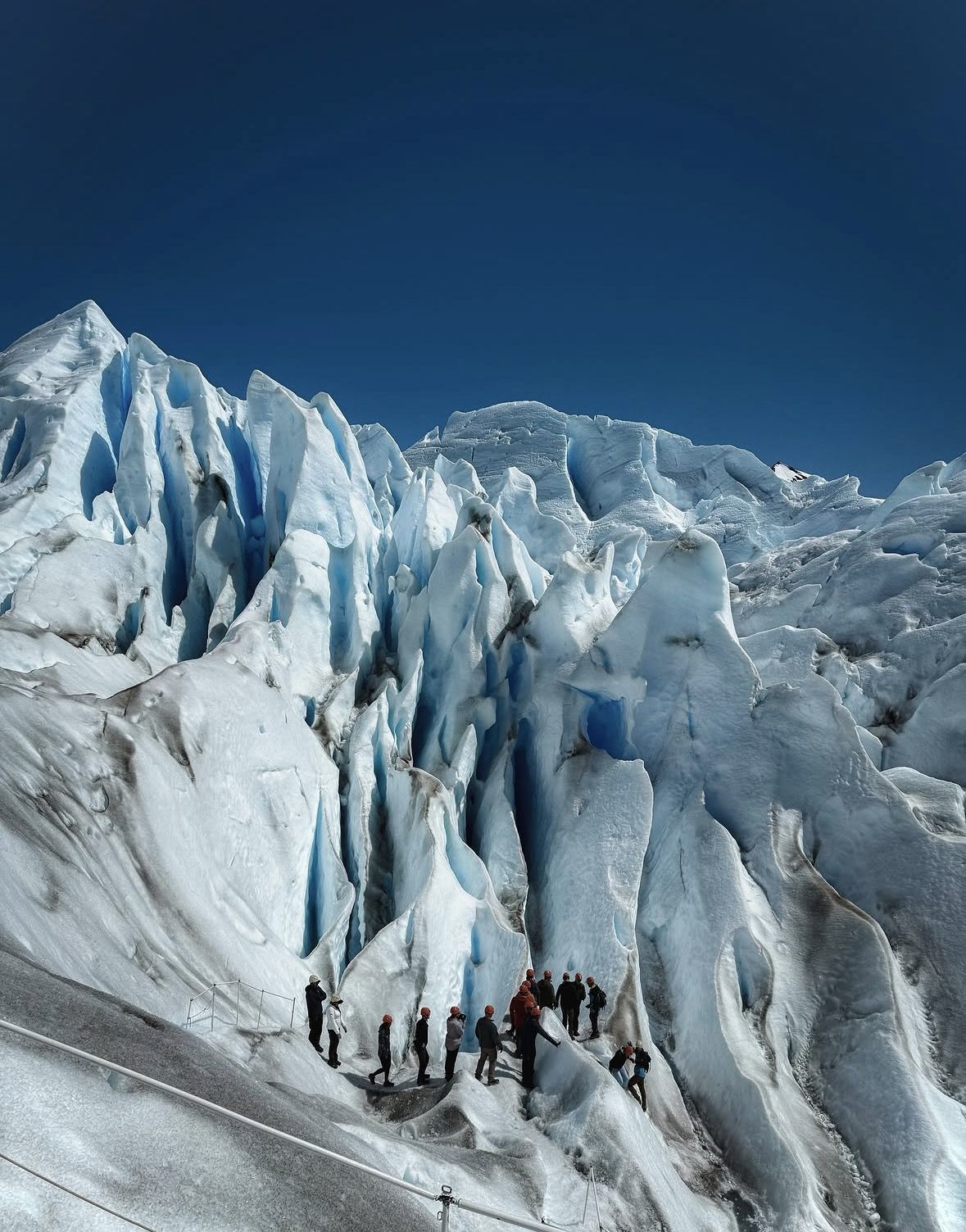
The minitrekking perito moreno glacier experience is a must for active visitors — after a short boat transfer, guides fit you with crampons and lead you across the glacier's surface for around 90 minutes. You'll explore crevasses, meltwater channels, and towering seracs up close in a way the boardwalks simply cannot offer.

🧗

Big Ice Full-Day Trek

For those seeking a more immersive perito moreno glacier hike, the 'Big Ice' excursion offers four to five hours of guided walking across a remote section of the glacier far from the tourist infrastructure. This advanced trekking option is one of the most awe-inspiring wilderness experiences in all of Patagonia.

🚣

Kayaking Beside the Ice Wall

Perito moreno glacier kayaking is a small-group activity that puts you at water level just metres from the ice face, where the scale of the 60-metre cliffs becomes truly overwhelming. Guided paddle tours operate in calm, protected waters and require no prior kayaking experience.

🚶

Boardwalk Walking Tour

A perito moreno glacier walking tour along the extensive network of steel catwalks is perfect for all ages and fitness levels, with multiple levels of platforms delivering different angles on the ice face. The lower walkways put you closest to the waterline where calving events send waves racing toward shore.

Nautical Safari by Boat

Several operators offer boat tours that cruise the southern face of the glacier, allowing passengers to observe icebergs and the full sweep of the terminal wall from the water. These cruises pair beautifully with a boardwalk visit to give you both perspectives in a single day.

🐴

Horseback Riding in the Park

Guided horseback excursions through Los Glaciares National Park offer a classic Patagonian estancia experience, traversing lenga beech forests and open steppe with distant views of the Southern Ice Field. These half-day rides are typically combinable with a glacier visit on a longer day out from El Calafate.

How Perito Moreno Glacier Compares to Similar Destinations

Choosing between the world's great glacier destinations comes down to accessibility, activity options, and the kind of drama you're chasing.

Patagonia is not the only place on Earth where travellers can stand face-to-face with ancient ice. From Greenland's ice sheet to New Zealand's fiords, glacier destinations each offer a distinct character and logistical challenge. Perito Moreno Glacier stands out for its rare combination of raw spectacle and remarkable accessibility, but understanding how it stacks up against alternatives like Fox Glacier, Vatnajökull, and the Athabasca Glacier helps travellers decide where to invest their time and budget.

CrowdsPriceBest ForWhat Sets It Apart
★ Perito Moreno GlacierModerate–High (peak Jan–Feb)Mid-range to premiumTrekking, kayaking, calving spectacleOnly major advancing glacier with direct boardwalk access and year-round calving events
Fox Glacier, New ZealandModerateMid-rangeHelicopter flightseeing, heli-hikeRainforest-to-glacier landscape; heli access required after flooding closed ground routes
Vatnajökull, IcelandLow–ModerateMid-rangeIce caves, snowmobile, lagoon cruiseLargest glacier in Europe; stunning black-sand lagoon with floating icebergs at Jökulsárlón
Athabasca Glacier, CanadaHigh (summer)Budget–Mid-rangeIce Explorer snowcoach, short walksMost accessible glacier in North America; part of the Icefields Parkway scenic drive

Each of these frozen giants has its own magic, but Perito Moreno Glacier delivers something genuinely rare: a living, advancing wall of ice you can watch calve in real time, walk across with crampons, and kayak beside — all within a single day trip. No other glacier on this list combines that trifecta of action, drama, and ease of access into one unforgettable experience.

Perito Moreno Glacier Everything You Need to Know

Everything you need to plan a seamless visit to one of Patagonia's greatest natural wonders.

How to Get to Perito Moreno Glacier from El Calafate

The gateway city is El Calafate, served by Comandante Armando Tola International Airport (FTE) with daily flights from Buenos Aires (EZE/AEP) taking around three hours. A perito moreno glacier tour from buenos aires typically involves flying into El Calafate and joining an organised day excursion. Direct flights from Ushuaia and Bariloche also connect to El Calafate, making multi-destination Patagonia itineraries straightforward to plan.

From El Calafate, the glacier is 78 kilometres west along Ruta Provincial 11 — a paved road through spectacular steppe scenery. Most visitors opt for an organised perito moreno glacier tour from el calafate, which includes return transfers and park entry. Alternatively, rental cars are available in El Calafate for independent travellers, and remises (private taxis) can be hired for the day.

  • ✈️ Fly Buenos Aires to El Calafate — approx. 3 hours, multiple daily departures
  • 🚌 Organised day-tour buses depart El Calafate town centre from 08:00–09:00 daily
  • 🚗 Rental cars available in El Calafate; Ruta Provincial 11 is fully paved to the park gate
  • 🚕 Remise taxis offer flexible private transfers with optional waiting time at the glacier
  • ⛵ Some tours include a boat transfer leg once inside the park for the ice face approach
  • 🎫 Los Glaciares National Park entrance fee is payable at the gate (cash and card accepted)
  • 🏨 Staying in El Calafate gives the best base for early morning departures and multiple glacier days
Scenic road through Patagonian steppe leading toward Los Glaciares National Park near El Calafate, Argentina

Best Time to Visit for Weather and Crowds

The peak season runs from November through February, when long Patagonian summer days (up to 17 hours of daylight) mean more time on the ice and warmer temperatures between 10–20°C. January and February are the busiest months, attracting large crowds to the boardwalks. Many experienced travellers prefer October or March for a balance of good weather, manageable crowds, and the same dramatic calving activity.

Patagonian weather is famously unpredictable at any time of year — wind, rain, and sunshine can all occur within the same hour. Winter (June–August) brings cold temperatures (0–5°C), shorter days, and fewer tourists, but the glacier remains open and the ice takes on extraordinary blue tones in low-angle light. Spring (September–October) sees wildflowers bloom across the steppe, creating beautiful contrast with the ice.

  • ☀️ November–February: peak season, best weather, long daylight, highest crowds
  • 🍂 March–April: shoulder season with fewer visitors, stable weather, excellent calving
  • ❄️ June–August: quiet winter visits, deep blue ice, cold temperatures, short days
  • 🌸 September–October: spring wildflowers, manageable crowds, unpredictable but rewarding
  • 💨 Wind is a constant feature year-round — afternoon gusts on the lake can be very strong
  • 🌧️ Rain gear is essential every month; Patagonian weather changes without warning
  • 📅 Book trekking and kayaking tours well in advance for December–January departures
Golden afternoon light illuminating the ice face of a Patagonian glacier with a vivid blue sky in summer

What to Pack for a Day at the Glacier

Layering is the single most important packing principle for any glacier visit in Patagonia. Temperatures can swing dramatically during a single day, and physical activity on the ice will warm you up quickly even when the air is cold. Bring a compact daypack with all essentials so your hands stay free on the boardwalks and ice surface — bulky luggage is not practical here.

Waterproof outer layers are non-negotiable: both rain and spray from calving ice can soak unprotected clothing in minutes. Crampons are provided by trekking operators, but your own footwear must be sturdy — operators typically require waterproof hiking boots with ankle support. Sunglasses with UV protection are essential, as glacier glare is surprisingly intense even on overcast days.

  • 🥾 Waterproof hiking boots with ankle support (mandatory for trekking activities)
  • 🧥 Windproof and waterproof outer shell jacket — Patagonia wind is relentless
  • 🧣 Thermal base layer and mid-layer fleece for temperature swings throughout the day
  • 🕶️ UV-rated sunglasses and sunscreen — glacier glare causes sunburn even in cloud
  • 🎒 Small daypack (20–25 L) for water bottle, snacks, and extra layers
  • 📷 Camera with a protective case or dry bag — spray from calving events can reach the boardwalks
  • 💧 Reusable water bottle; drinking water access inside the park is limited
  • 🧤 Thin liner gloves for morning starts and boat transfers when wind chill is significant
Hiker wearing layered waterproof clothing and sunglasses on the ice surface of a Patagonian glacier

Local Tips for Getting the Most from Your Visit

Arrive at the boardwalks as early as possible — tour buses from El Calafate typically deliver the majority of day visitors between 10:00 and 11:00, so independent arrivals at 08:30 enjoy the platforms almost to themselves. Walking the full circuit of all boardwalk levels takes two to three hours and rewards patience: calving events are unpredictable and the longer you stay, the better your chances of witnessing a massive collapse.

Argentine pesos and credit cards are both accepted at the park entrance and most tour desks in El Calafate. Tipping guides is customary and appreciated — 10–15% is standard for trekking and kayaking leaders. The small café inside the park serves empanadas, hot drinks, and sandwiches; bringing your own lunch allows more flexibility. Mobile signal inside the park is very limited, so download offline maps and tour confirmations before you leave El Calafate.

  • ⏰ Arrive at the park gate before 09:30 to beat the main tour-bus rush to the boardwalks
  • 📵 Download offline maps (Maps.me or Google Maps) before leaving El Calafate — signal is poor
  • 🍽️ The park café is small and can get crowded at lunch — consider packing your own food
  • 💵 Carry some Argentine pesos for the park entrance fee and small purchases
  • 🦅 Scan the sky and cliff ledges regularly — Andean condors frequently soar above the ice face
  • 📸 The afternoon light (14:00–17:00) creates the most vivid blue tones on the ice for photography
  • 🎫 Book trekking and kayaking tours through your El Calafate hotel or a reputable local operator in advance
Visitors on a steel boardwalk platform watching a calving event at a Patagonian glacier on a clear day

Health & Safety Essentials for Glacier Visitors

No special vaccinations are required for travel to Argentine Patagonia beyond routine immunisations. The region is at high latitude rather than high altitude, so altitude sickness is not a concern at the glacier itself (elevation approximately 200 m). Travellers with heart or joint conditions should consult a doctor before booking trekking activities, as the crampon hike involves uneven terrain and physical exertion on a cold, slippery surface.

Stay strictly within marked paths and behind safety barriers on the boardwalks at all times — calving events create powerful waves and flying ice fragments without warning. On trekking tours, follow every instruction from your certified guide, particularly regarding crevasse avoidance. Comprehensive travel insurance covering outdoor adventure activities is strongly recommended; ensure your policy explicitly includes glacier trekking and kayaking before departure.

  • 🩺 No special vaccinations needed; ensure routine immunisations are up to date
  • 🧊 Never cross safety barriers or approach the ice edge independently — calving is sudden and violent
  • 🛡️ Purchase travel insurance that explicitly covers glacier trekking and kayaking
  • ☀️ Apply high-SPF sunscreen before arrival — UV intensity on glacial ice is deceptively strong
  • 💊 Carry personal medications in your daypack; nearest hospital is in El Calafate (78 km away)
  • 🌬️ Wind-chill can push perceived temperatures well below air temperature — dress warmer than you think necessary
  • 📞 Emergency contact: Argentine emergency services dial 911; park rangers are stationed on site daily
Safety barrier and warning sign on the boardwalk overlooking a Patagonian glacier calving zone

All Tours

Extend your Patagonian adventure with these spectacular destinations just a short distance from the glacier.

Perito Moreno Glacier What Visitors Are Saying

Travelers share their unforgettable experiences visiting Perito Moreno Glacier — read what makes this natural wonder so remarkable.

★★★★★

"Booking the minitrekking experience was the best decision of our entire trip to Patagonia. Strapping crampons onto our boots and walking directly on the ice felt surreal — like stepping onto another planet. Our guide was incredibly knowledgeable about how the glacier moves and forms, answering every question with genuine enthusiasm. The thunderous crack of calving ice echoing across the lake is something I will never forget as long as I live."

SR
Sophie R.February 2025
★★★★★

"We did the day trip from El Calafate and it exceeded every expectation I had built up over years of dreaming about this place. The boardwalk system gives you incredible viewpoints at multiple levels, letting you appreciate the sheer scale of the ice wall rising 70 meters above the water. We spent nearly four hours just watching chunks of ice crash into Lago Argentino — it never got old. Absolutely worth every penny and then some."

MT
Marco T.November 2024
★★★★☆

"The walking tour along the network of catwalks gave us stunning angles I hadn't seen in any photos online. My only gripe is that the buses from town can make the site feel crowded during peak afternoon hours, so I'd strongly recommend arriving as early as possible. That said, the sheer spectacle of the advancing ice front more than makes up for the crowds. I'd gladly return and would probably book a boat excursion next time to see the face up close from the water."

CB
Claire B.January 2025
★★★★★

"Coming all the way from Tokyo, I was worried the journey would feel too long for a single natural attraction — I was completely wrong. The glacier is alive in a way no photograph prepares you for, constantly groaning and shifting as you watch. We chose the kayaking option and paddling among small floating icebergs with that enormous blue wall in front of us was breathtaking. This was hands-down the highlight of our three-week South America adventure."

YN
Yuki N.March 2025
★★★★★

"Our guide made the trekking experience feel both safe and genuinely adventurous — he pointed out deep blue crevasses and explained the science behind why the ice takes on that extraordinary color. The rental crampons fit well and the terrain, while uneven, was manageable even for our group of mixed fitness levels. Afterward we warmed up with whiskey chilled by thousand-year-old glacial ice, which felt like an appropriately dramatic ending. I cannot recommend this experience highly enough."

JO
James O.December 2024
★★★★☆

"We arranged our visit through a tour from Buenos Aires that included flights to El Calafate, and the logistics were handled smoothly from start to finish. The guided portion of the day was well-paced, with enough free time on the boardwalks to linger at your favourite viewpoint. I'd have loved another hour on the ice during the trekking segment, but I understand safety constraints limit the time. Still a phenomenal experience and a must-do if you're making the journey to Argentine Patagonia."

AP
Ana P.October 2024
★★★★★

"I'm a landscape photographer and this place is simply unlike anywhere else I've ever pointed a lens. The light at golden hour turns the ice face into shades of deep indigo and pale turquoise that look almost computer-generated. We stayed in El Calafate for three nights specifically so we could visit twice and catch different lighting conditions. Every serious photographer should put this destination at the very top of their bucket list."

EV
Erik V.April 2025
★★★★★

"Choosing the full-day trekking option was absolutely the right call — the standard boardwalk views are magnificent, but nothing compares to actually standing on the glacier itself. Our group of eight ranged from ages 22 to 61 and everyone managed the hike comfortably with the crampons provided. The guides maintained a perfect balance of education and exploration, never rushing us through this once-in-a-lifetime setting. If you're on the fence about upgrading from the basic walkway visit, don't hesitate — it's worth every extra peso."

LM
Lucia M.January 2025

Watch the Glacier Come Alive

See thundering ice calving events, turquoise meltwater channels, and the full drama of Patagonia's greatest natural spectacle in stunning video.

Video thumbnail showing a massive ice tower calving from a blue glacier face into a turquoise lake in Patagonia

Find Perito Moreno Glacier

Perito Moreno Glacier is located within Los Glaciares National Park, approximately 78 km west of El Calafate, Santa Cruz Province, Argentina (coordinates: 50.4969° S, 73.0499° W).

Perito Moreno Glacier Frequently Asked Questions

Everything you need to know before you go — answers to the most common questions about planning your visit to this iconic Patagonian wonder.

The glacier sits about 78 kilometers west of El Calafate, and the drive takes roughly 90 minutes on a well-paved road through stunning Patagonian steppe. Most visitors either join an organized day tour — which typically includes bus transport, park entry, and a guide — or rent a car for a self-drive visit. If you're driving independently, note that the Los Glaciares National Park entrance fee is paid at the park gate, not in town. Buses and organized tours depart El Calafate early in the morning, usually between 8 and 9 a.m.
Yes, several operators offer multi-day packages that combine flights from Buenos Aires to El Calafate with accommodation and guided excursions to the glacier. The most common format is a three- to four-day trip that gives you at least one full day at the ice. Because Buenos Aires to El Calafate is roughly a three-hour flight, this works best as a dedicated Patagonia add-on rather than a quick side trip. Booking in advance is especially important during the Southern Hemisphere summer (December–February) when demand is highest.
Minitrekking is a guided ice walk that takes you directly onto the glacier's surface for approximately 90 minutes of cramponed exploration. It's specifically designed for people with no prior ice-hiking experience, and the difficulty level is generally described as moderate — roughly equivalent to a gentle to moderate trail hike on uneven terrain. All necessary equipment, including crampons and safety briefings, is provided at the meeting point before you board the boat transfer to the glacier's edge. Most healthy adults and fit older travelers find it very manageable.
Minitrekking covers the lower, more accessible section of the glacier and lasts about 90 minutes on the ice, making it ideal for most visitors. The Big Ice trek ventures deeper into the glacier's interior for around four to five hours on the ice and is suited to travelers with a good fitness level who want a more immersive adventure. Big Ice groups are smaller, prices are higher, and the landscapes — including massive crevasses and ice formations — are significantly more dramatic. Both options include a boat transfer and crampons, but Big Ice requires booking well in advance due to limited daily spots.
Absolutely — independent visitors can access the extensive boardwalk system entirely on their own once they've paid the national park entrance fee at the gate. The walkways stretch over three kilometers across multiple levels, offering outstanding views of the ice face and the surrounding lake from dozens of different angles. However, stepping onto the ice itself is only permitted as part of an official guided trekking experience booked through authorized operators. For most travelers, a combination of independent boardwalk time and a booked trekking activity gives the best of both worlds.
Kayaking near the glacier involves paddling through Brazo Rico, the southern arm of Lago Argentino, with the towering ice face as your backdrop — an experience most paddlers describe as utterly otherworldly. Routes keep a safe distance from the calving face to avoid wave surges from falling ice, but you still get remarkably close to floating icebergs. No prior kayaking experience is required, as guides provide instruction and the water conditions are generally calm. The activity typically runs two to three hours and is offered by licensed operators based in El Calafate.
The peak visiting season runs from November through March, when Patagonian summer brings longer daylight hours and milder temperatures ranging from roughly 10°C to 20°C (50°F to 68°F). This is also when all outdoor activities — trekking, kayaking, and boat excursions — operate at full capacity and on their most frequent schedules. Shoulder season visits in October or April offer thinner crowds and lower prices, while the glacier remains fully accessible. Winter visits (June–August) are possible but some ancillary activities close, and the cold and wind can be intense.
A standard organized day trip from El Calafate typically lasts eight to ten hours, including travel time, giving you four to six hours at the site itself. If you plan to combine the boardwalk walkways with a trekking or kayaking activity, you'll want to arrive early and budget a full day comfortably. Many travelers find that a single full day is sufficient, but those who want to experience multiple activity types or simply soak in the atmosphere often appreciate a second visit. Staying in El Calafate for at least two nights makes scheduling a return visit easy.
Layering is essential — Patagonian weather changes rapidly, so bring a moisture-wicking base layer, an insulating mid-layer, and a waterproof windproof outer shell. Sturdy, ankle-supporting waterproof boots are required for the trekking activities; sandals or trainers are not accepted. Sunglasses and high-SPF sunscreen are a must, as UV reflection off the ice is intense even on overcast days. Pack plenty of water, a light snack, and a camera or phone with extra battery life, as you'll want to capture every moment.
Unlike the majority of the world's glaciers, this one has remained broadly stable — and in certain periods has even advanced — which is largely what makes it scientifically remarkable. It advances at roughly two meters per day, fueled by heavy snowfall in the Patagonian Andes that continuously replenishes the ice field feeding it. The glacier periodically dams the Canal de los Témpanos, builds up pressure, and then spectacularly ruptures in a natural event that draws crowds from around the world. Researchers continue to study it as a reference point for understanding glacial dynamics on a broader scale.

Ready to stand face-to-face with one of Earth's last great advancing glaciers?

Book Your Tour Now

The Fascinating History Behind This Patagonian Giant

From Francisco Moreno's 19th-century expeditions that put Patagonia on the scientific map, to the glacier's periodic ice-dam ruptures that make international headlines, this frozen colossus has a history as dramatic as its landscape. Discover how it was named, mapped, and ultimately protected as one of the world's most treasured natural sites.

📅 Book Now